
E-mail: ncjt@zjncjt.com


Every degree of heat lost through a furnace wall is fuel you paid for but never used. In high-temperature industrial operations — from ceramic shuttle kilns to lithium-ion battery cathode furnaces — the material lining the walls determines whether that energy drives your process or disappears into the surrounding structure. Insulating fire bricks (IFB) exist precisely to close that gap: a lightweight, porous refractory engineered to keep heat where it belongs while adding as little dead weight and thermal mass as possible.
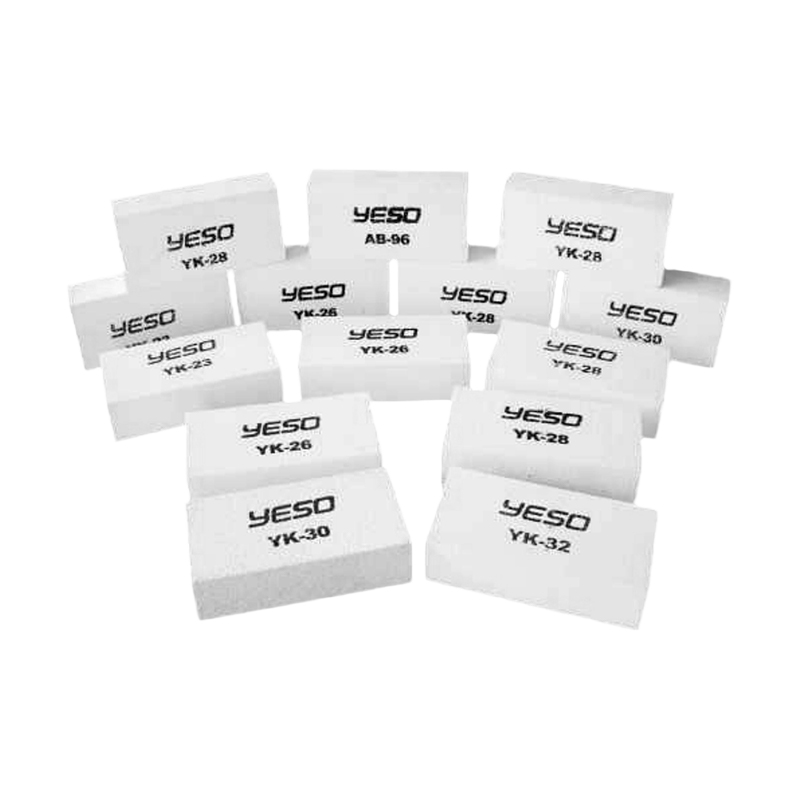
An insulating fire brick is a lightweight refractory product made primarily from high-purity refractory clays, alumina, and carefully graded organic fillers. The defining step in manufacturing is the burnout: during high-temperature firing, those organic fillers combust and leave behind a uniform, controlled network of micro-pores throughout the brick body. It is this porous structure — not the raw material alone — that gives IFB its characteristic low thermal conductivity and low bulk density.
The practical difference between IFB and dense (hard) firebrick is significant. Dense firebrick is a solid, high-mass ceramic designed to withstand direct flame contact, abrasion, and slag attack; it conducts heat readily, which is useful when you need the lining to absorb and radiate heat uniformly. IFB does the opposite: its porous matrix resists heat flow, so less energy escapes through the wall. The tradeoff is mechanical strength — IFB is softer and more susceptible to abrasion, which is why many furnace designs use dense brick at the hot face and IFB as a backup insulation layer behind it. In lower-velocity, cleaner atmospheres, IFB can also serve directly as the hot-face lining. আমাদের ceramic fiber board products for high-temperature applications complement IFB linings wherever flexible, ultra-lightweight insulation is needed in conjunction with rigid brick structures.
Not all insulating fire bricks perform equally. The gap between a commodity IFB and a precision-manufactured premium product shows up in three areas that directly affect furnace economics: thermal insulation efficiency, energy consumption during cycling, and installation quality.
As a premium insulating fire brick (IFB), our lightweight refractory products offer low thermal conductivity and excellent thermal insulation, allowing for the design of thinner furnace walls and maximizing the internal volume of the kiln. This is not a marginal benefit. A reduction in wall thickness of even 50–75 mm translates directly into a larger usable interior — critical in tunnel kilns and shuttle kilns where every cubic centimeter of working space has a direct impact on throughput and loading density. At the same time, the lower conductivity means a steeper thermal gradient across the wall, so less heat reaches the outer shell and ambient heat loss is reduced.
Featuring low heat capacity and a lightweight structure, these bricks ensure minimal heat storage during heating cycles. This significantly reduces energy consumption and accelerates cooldown times, making them the ideal kiln lining solution for intermittently operated furnaces (or intermittent kilns). The physics are straightforward: every heating cycle, the lining itself must be brought up to temperature before the process can begin. A high-mass dense brick lining stores enormous amounts of heat during this ramp — heat that is simply lost to the environment during the cooldown phase. A low-heat-capacity IFB lining stores far less, so each cycle consumes less fuel and the kiln reaches setpoint faster. সিরামিক স্টুডিও, ল্যাবরেটরি ফার্নেস, হিট ট্রিটমেন্ট শপ এবং কর্মদিবস বা সপ্তাহে বারবার আগুন জ্বলে এবং ঠান্ডা হয় এমন যেকোনো অপারেশনের জন্য, এই বৈশিষ্ট্যটিই প্রিমিয়াম IFB-তে বিনিয়োগকে ন্যায্যতা দেয়।
Furthermore, our IFBs are manufactured with precise dimensions and tight dimensional tolerances. উচ্চ যন্ত্রের নির্ভুলতা সহজে কাস্টম কাটার অনুমতি দেয় এবং ইনস্টলেশনের সময় সামঞ্জস্যপূর্ণ, টাইট ইটের জয়েন্টগুলি নিশ্চিত করে, যা আরও তাপীয় শর্টকাটগুলিকে দূর করে এবং চুল্লির সামগ্রিক শক্তি-সাশ্রয়ী কর্মক্ষমতা বাড়ায়। Heat leaks most often occur at brick joints — any gap, misalignment, or dimensional inconsistency creates a path of lower thermal resistance that allows heat to bypass the insulating body of the brick entirely. Premium IFB manufacturers grind all six faces after firing, holding tolerances as tight as ±0.5 mm. The result is a masonry joint that is nearly airtight, and a lining whose real-world thermal performance matches its laboratory specification.
The industry standard for IFB classification is ASTM C155, which categorizes bricks by their maximum continuous service temperature. Grades are commonly designated by their temperature rating in hundreds of degrees Fahrenheit — K23 through K32 — or equivalently by Celsius service temperature. Selecting the wrong grade is one of the most common and costly errors in furnace design: an under-rated brick will shrink and crack in service; an over-rated brick is heavier and more expensive than the application requires.
| Grade | সর্বোচ্চ পরিষেবা টেম্প | সাধারণ অ্যালুমিনা সামগ্রী | প্রাথমিক অ্যাপ্লিকেশন |
|---|---|---|---|
| K23 (IFB 2300) | 1260°C / 2300°F | ~40% | Backup insulation, pottery kilns, low-temp heat treatment |
| K26 (IFB 2600) | 1425°C / 2600°F | ~50-60% | Ceramic shuttle kilns, forging furnaces, hot-face lining |
| K28 (IFB 2800) | 1540°C / 2800°F | ~60–70% | Glass tank crowns, annealing furnaces, special atmosphere furnaces |
| K30 (IFB 3000) | 1650°C / 3000°F | ~70-80% | Strip annealing, high-alumina ceramics sintering |
| K32 (IFB 3200) | 1760°C / 3200°F | >80% (বাবল অ্যালুমিনা) | Hydrogen furnaces, laboratory high-temp kilns, advanced ceramics |
A critical rule of thumb: select your grade based on continuous operating temperature , not peak or occasional spike temperatures. একটি চুল্লিতে ব্যবহৃত 1425°C রেটিংকৃত একটি ইট যা নিয়মিতভাবে 1400°C তে পৌঁছায় তার কোনো অর্থপূর্ণ নিরাপত্তা মার্জিন নেই — রেটেড তাপমাত্রার উপরে তাপীয় ভ্রমণ স্থায়ী রৈখিক সংকোচন সৃষ্টি করে যা জয়েন্টগুলিকে খুলে দেয় এবং আস্তরণের অখণ্ডতা নষ্ট করে। Build in at least a 50–75°C buffer between your operating setpoint and the brick's classification temperature.
Temperature rating is the starting point, not the whole picture. তিনটি অতিরিক্ত কারণ নির্ধারণ করে যে একটি IFB যা তাপীয় স্পেসিফিকেশন পূরণ করে তা আসলে একটি নির্দিষ্ট চুল্লি পরিবেশে নির্ভরযোগ্যভাবে কাজ করবে কিনা।
অভিন্ন তাপমাত্রা রেটিং সহ দুটি ইটের ছিদ্র গঠন, বাল্ক ঘনত্ব এবং অ্যালুমিনা সামগ্রীর উপর নির্ভর করে অর্থপূর্ণভাবে ভিন্ন তাপ পরিবাহিতা মান থাকতে পারে। সর্বদা আপনার প্রকৃত অপারেটিং তাপমাত্রায় প্রস্তুতকারকের পরিবাহিতা ডেটার জন্য অনুরোধ করুন — ঘরের তাপমাত্রায় নয়, যেখানে পরিবাহিতা বক্ররেখাগুলি প্রায়শই আরও অনুকূল দেখায়৷ বিরতিহীন ভাটা এবং শক্তি-সংবেদনশীল অ্যাপ্লিকেশনগুলির জন্য, এই একক সংখ্যাটি আস্তরণের নকশাগুলির মধ্যে পার্থক্য করতে পারে যা মাস বনাম বছরের মধ্যে পেব্যাক অর্জন করে।
বায়ুমণ্ডল হ্রাস করার ক্ষেত্রে — হাইড্রোজেন চুল্লি, পেট্রোকেমিক্যাল ক্র্যাকিং ইউনিট, কার্বন ট্রিটমেন্ট ফার্নেস — ইটের শরীরে আয়রন অক্সাইড (Fe₂O₃) উপাদান একটি গুরুত্বপূর্ণ প্যারামিটার। Iron acts as a catalyst in reducing environments, promoting carbon deposition and accelerating brick disintegration. Premium IFB grades for these applications specify iron oxide content below 0.8%, sometimes as low as 0.5%. অক্সিডাইজিং বা নিরপেক্ষ বায়ুমণ্ডলে এটি কম গুরুত্বপূর্ণ, তবে চুল্লির বায়ুমণ্ডলে দাহ্য গ্যাস বা হাইড্রোকার্বন প্রক্রিয়াকরণ জড়িত থাকলে সরবরাহকারীর সাথে এটি নিশ্চিত করা মূল্যবান।
Most industrial furnace linings require more than straight brick. Arches, corbels, burner ports, thermocouple ports, and door frames all demand non-standard profiles. ইন-হাউস CNC গ্রাইন্ডিং এবং কাটিং ক্ষমতা সহ একজন প্রস্তুতকারক বেভেল, রেডিআই কাট, জিভ-এন্ড-গ্রুভ প্রোফাইল এবং ড্রিল করা আকারগুলি অঙ্কন সহনশীলতার জন্য সরবরাহ করতে পারে — সাইটের পরিবর্তন হ্রাস করা, বর্জ্য হ্রাস করা এবং প্রতিটি জ্যামিতিক পরিবর্তনে ক্লিনার জয়েন্ট তৈরি করা। Confirming this capability before specifying is especially important for first-time builds or complex kiln geometries.
IFB শিল্পের একটি উল্লেখযোগ্যভাবে বিস্তৃত পরিসরে পরিবেশন করে, তবে নির্দিষ্ট গ্রেড, কনফিগারেশন এবং আস্তরণের স্থাপত্য তাপীয় পরিবেশ, বায়ুমণ্ডল রসায়ন এবং প্রতিটি অ্যাপ্লিকেশনের উত্পাদন প্যাটার্নের উপর নির্ভর করে যথেষ্ট পরিবর্তিত হয়।
Shuttle kilns and roller kilns in the ceramics industry are among the most demanding environments for IFB in terms of cycling frequency. একটি উত্পাদন শাটল ভাটা দিনে দুই থেকে চার বার আগুন এবং ঠান্ডা হতে পারে, কম তাপ ক্ষমতাকে আস্তরণের উপাদানের একক সবচেয়ে মূল্যবান সম্পত্তি করে তোলে। বেশিরভাগ সিরামিক অ্যাপ্লিকেশনগুলিতে K26 ইটগুলি হট-ফেস আস্তরণের জন্য আদর্শ পছন্দ, যেখানে K23 তাপ প্রতিরোধের সম্পূর্ণ করার জন্য ব্যাকআপ স্তর হিসাবে ব্যবহৃত হয়। টাইট ডাইমেনশনাল সহনশীলতা এখানে বিশেষভাবে গুরুত্বপূর্ণ: একটি শাটল ভাটিতে একটি ভালভাবে স্থাপিত IFB আস্তরণ যৌথ রক্ষণাবেক্ষণ ছাড়াই শত শত চক্রের জন্য স্থিতিশীল থাকতে পারে।
কাচ গলানোর চুল্লিগুলি একটি রাসায়নিকভাবে আক্রমণাত্মক পরিবেশ উপস্থাপন করে — ক্ষারীয় বাষ্প, গলিত কাচের স্প্ল্যাটার এবং গলনা অঞ্চলে 1,500 ডিগ্রি সেলসিয়াসের উপরে ক্রমাগত অপারেটিং তাপমাত্রা। High-alumina IFB grades (K28 and above) are specified for crown and superstructure applications where direct glass contact is avoided. The low thermal conductivity of IFB in these zones reduces shell temperatures and extends the life of supporting steel structures. Regenerator chambers and tempering lehrs use lower-grade IFB where temperatures permit.
তাপ চিকিত্সা চুল্লি, অ্যানিলিং লাইন এবং ফোরজ ফার্নেসগুলিতে, IFB সাধারণত ঘন কাজ করা আস্তরণের পিছনে ব্যাকআপ নিরোধক হিসাবে বা নিম্ন-তীব্রতা অঞ্চলে প্রাথমিক আস্তরণ হিসাবে কাজ করে। ক্রমাগত অ্যানিলিং ফার্নেসগুলি নিরোধক স্তরে IFB-এর কম পরিবাহিতা থেকে উপকৃত হয়, যেখানে প্রাচীরের মধ্য দিয়ে তাপ প্রবাহ হ্রাস করা সরাসরি পণ্যের প্রতি টন গ্যাসের কম খরচে অনুবাদ করে। অ্যালুমিনিয়াম উৎপাদনে অ্যানোড বেকিং ফার্নেস এবং স্টেইনলেস স্টিলের উজ্জ্বল অ্যানিলিং ফার্নেসের জন্য, নিয়ন্ত্রিত লোহার সামগ্রী সহ K28–K30 গ্রেডগুলি নির্দিষ্ট মান।
ব্যাটারি শিল্পে ক্যাথোড এবং অ্যানোড উপাদান ক্যালসিনেশন ফার্নেসগুলি 800°C এবং 1,200°C এর মধ্যে তাপমাত্রায় শক্তভাবে নিয়ন্ত্রিত বায়ুমণ্ডলে কাজ করে। এখানে, IFB আস্তরণের মাত্রিক নির্ভুলতা সর্বাধিক গুরুত্বপূর্ণ: এমনকি আস্তরণের ছোট ফাঁকগুলি বায়ুমণ্ডলে অনুপ্রবেশের অনুমতি দেয় যা পণ্যকে দূষিত করে। High-purity K26 bricks with minimal outgassing characteristics and tight joint tolerances are the preferred specification. তুলনামূলকভাবে মাঝারি তাপমাত্রা এটিকে এমন একটি প্রয়োগ করে যেখানে আস্তরণের কারিগরের গুণমান — সুনির্দিষ্ট ইটের মাত্রা দ্বারা সমর্থিত — ইটের কাঁচা তাপমাত্রার রেটিং থেকে পণ্যের গুণমানের উপর বড় প্রভাব ফেলে৷ For a full overview of our refractory lining solutions for industrial kilns , including complementary ceramic fiber products and custom-shaped refractories, contact our technical team with your furnace specifications.
Introduction: অ্যালুমিনিয়াম সিলিকেট ফাইবারবোর্ড উপাদান বর্তমানে একটি ...
Introduction: অ্যালুমিনিয়াম সিলিকেট অবাধ্য ফাইবার পণ্যগুলি পাইরক্সিন...
Introduction: 1, উচ্চ অ্যালুমিনা সিরামিক ফাইবার বোর্ডের জন্য আকৃতির সিরাম...

ডিজাইন, গবেষণা ও উন্নয়ন, উৎপাদন, বিক্রয় এবং প্রকৌশল পরিষেবা একীভূতকারী একটি এন্টারপ্রাইজ। সিরামিক ফাইবার বোর্ড নির্মাতারা, চীনে ভ্যাকুয়াম হিট ট্রিটমেন্ট সলিউশন.
Phone: +86-13967261180
+86-17858398898
Email: ncjt@zjncjt.com
Arlen@zjncjt.com
Tel: +86-572-8295956
Add: Wulintou, Tangbei গ্রাম, Leidian Town, Deqing Country, Huzhou City, Zhejiang Province, China
কপিরাইট © 2024 ঝেজিয়াং নেংচেং ক্রিস্টাল ফাইবার কোং, লি. সর্বস্বত্ব সংরক্ষিত.
